

Herding Dogs
General Info / Articles of Interest
Herding livestock is one of the oldest jobs for dogs. There are many breeds of herding dogs as well as many styles of herding. For example, the Border Collie commonly when herding sheep, uses what is called “the eye” to work — a glare which asserts their dominance over the sheep, others are well known for their ability to dart in and nip the heels of cattle. Stockdogs are used on many farms and ranches and mostly to work with cattle and sheep.
Today, herding dogs are also seen competing in Herding Trials all over the world. Quite often the people participating in this sport are not involved in the livestock industry but have an interest in working with their dogs to help preserve the instincts and abilities of the herding breeds. For additional information on Herding Trials see the Herding/Stock Dog document which outlines the various trials and tests.
- Herding/Stock Dog — Including information on Herding Instinct Test and Herding Trials.
- The Bearded Collie Club of Canada — Herding
- Herding With the Shetland Sheepdog — A Pursuit in Working with Natural Instincts and Abilities. From the Northern California Shetland Sheepdog Herding Club
- Briard Club of America Herding Description
- Sheep Herding By Kathy Cooper, Coultrain Rottweilers – Surrey Herding Facility
- American Controversy over German Sheep Herding “The HGH” — An article regarding the method of sheep dog training called the “Tending Style” or the “HGH”. This style of herding is done using German Shepherd Dogs and was developed in Germany and other European countries where there are few fences.
- The German Shepherd Herding Dog By Ellen Nickelsberg
- Genetics is Everything by Ellen Nickelsberg
- Boundary Instinct by Ellen Nickelsberg — A good HGH herding dog identifies, selects and works the natural boundaries of the flock by instinct.
- Circling Behavior & the HGH Style Herding by Ellen Nickelsberg
- The Large Flock Herding Dog — Puppy Selection & Foundation Building by Ellen Nickelsberg
- Large Flock Sheep Herding — The Working Relationship by Ellen Nickelsberg
- Miracle Worker — by Meredith Moore. The story of Raff from the beginning — A very special Rough Collie pup who’s breeder was determined to help him survive, no matter what the odds.
- Another Yellow Brick Road — by Meredith Moore. The continuation of Raff’s story.
- Is a Dog from the Herding Group Right for You?
Terminology:
“Fetching” or “Gathering” — British Herding dogs, such as: Border Collies ; Bearded Collies; English Sheepdogs; Rough and Smooth Collies; and Shetland Sheepdogs generally work over large areas of land where the dog’s main role is to “fetch” or “gather” the sheep. To fetch is the natural instinct for most herding dogs. When gathering, the dog is trying to keep the livestock together in a group.
“Boundary” or “Continental” — Continental Herding Dogs, including: German Shepherd Dogs; Bouviers des Flandres; and Belgian Sheepdogs often work on the smaller farms found in Continental Europe where the sheep graze in pastures right next to crop fields. These herding dogs are responsible for patrolling the boundaries to protect the crops from the sheep as well as to protect the sheep from predators. All Continental herding breeds have very strong protective instincts.
Cattle Dogs — There are many different breeds used all over the world to help move a herd, the most common include: Australian Cattle Dogs; Australian Shepherds; and Border Collies. These dogs drive a herd, often biting on the heels if necessary, and move the cattle until they settle. Most often, cattle dogs work the livestock from behind by “heeling”. Cattle herding dogs are known to be very intelligent, courageous, trustworthy, and have a strong desire to work. They are also very protective of their family and property.
“Driving” — Dogs who drive the livestock are pushing the herd away from the handler.
(Still under development – more terms coming soon)
Herding Breeds:
The Canadian Kennel Club and/or the American Kennel Club include the following breeds in the “Herding Group”:
In addition to the above, the American Herding Breeds Association (AHBA) accepts the following Herding Breeds:
Appenzeller Sennenhund – Australian Kelpie – Beauceron – Catahoula – Catalonian Sheepdog – Dutch Shepherd – English Shepherd – Entlebucher Sennenhund – Giant Schnauzer – Icelandic Sheepdog – Lapphund – McNab – Mudi – Picardy Shepherd – Pumi – North American Shepherd (Miniature Australian Shepherd) – Rottweiler – Samoyed – Shiloh Shepherd – Standard Schnauzer – White Shepherd
As well as the following Multi-Purpose Breeds with a Herding Background:
Bernese Mountain Dog – Chinook – Doberman Pinscher – Greater Swiss Mountain Dog – Kerry Blue Terrier – Poodle – Soft-coated Wheaten Terrier
— Additional information on the AHBA accepted breeds can be found at: www.ahba-herding.org.
Additional Web Resources:
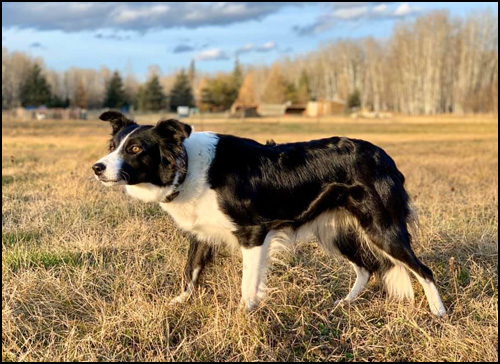
Photo: Landing Trail Stock Dogs
Note: We are always in need of articles for the Working Dogs section of the website — Submissions are welcome and encouraged. Please feel free to e-mail us at info@canadasguidetodogs.com.
If you are part of a working dog group and would like to be included in the listings, please email us with details.
Breed Listing


Quick Links
Get In Touch
- Email: canadasguidetodogs@gmail.com
- Visit us on Facebook: www.facebook.com/CanadasGuideToDogs
— CanadasGuideToDogs.com is an Amazon Associate as well as a participant in various affiliate programs, as such fees are earned from qualifying purchases.